
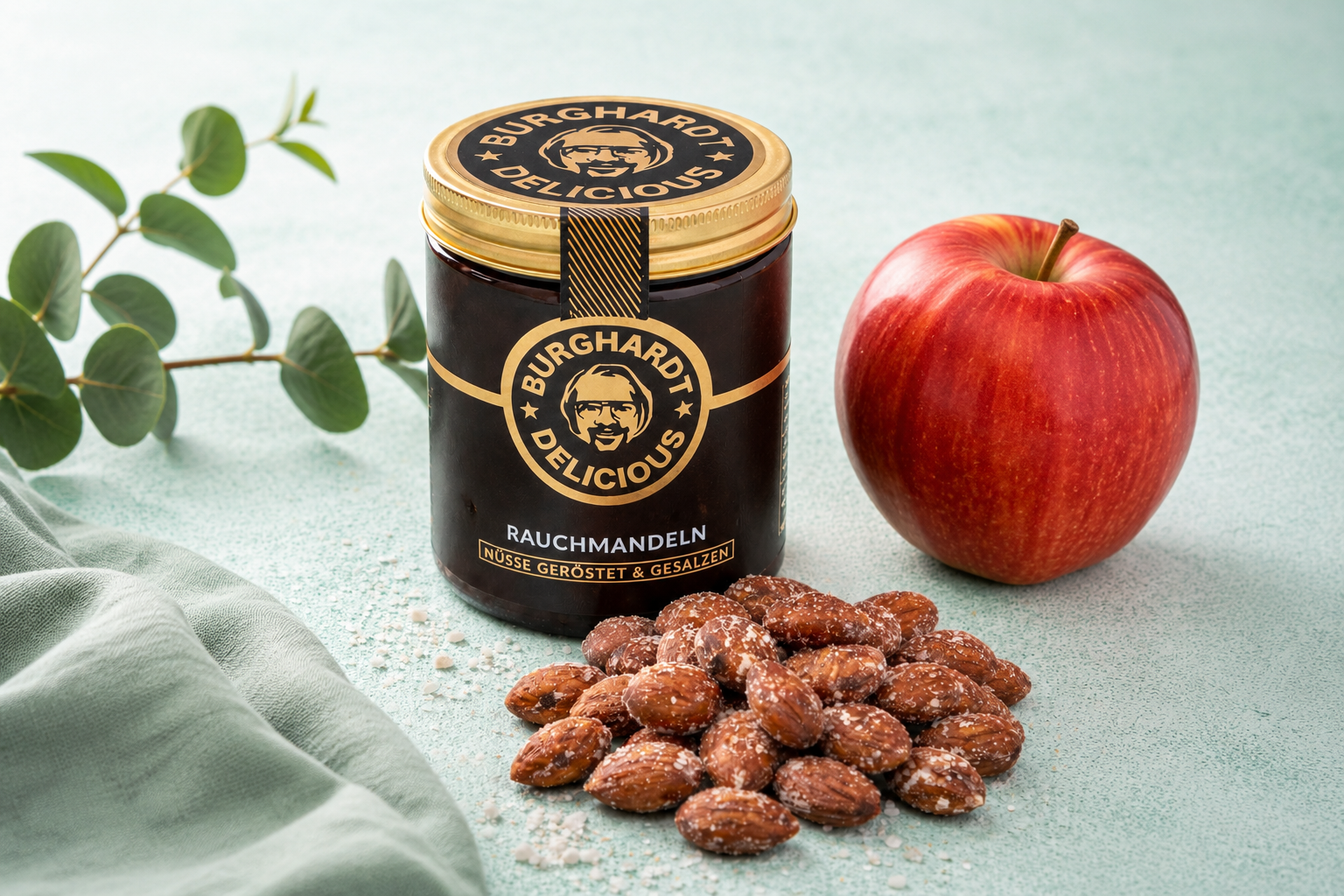
🍏 More Than Just an Apple: Why Catering Is Strategic Today
The world of work has undergone a fundamental transformation in recent years. Flexible working hours, hybrid work models, and a growing focus on meaningfulness now shape the daily reality of many companies. Yet, while concepts such as “New Work,” “Agility,” and “Purpose” have long since reached the executive suites, one crucial factor is frequently underestimated: the role of workplace catering.
Office snacks are no longer merely a “nice-to-have.” They are a visible expression of corporate culture, a tool for employee retention, and an underestimated lever for productivity and satisfaction.
Anyone looking to attract and retain talent today should ask themselves a simple question:
👉 What do employees experience in their day-to-day work—and how do they feel about it?
🚀 New Work begins in everyday life—not in the mission statement.
Many companies invest a great deal of time in mission statements, values, and employer branding campaigns. However, employees do not experience corporate culture on PowerPoint slides, but rather in their daily interactions.
And this is exactly where snacks come into play.
A well-thought-out catering concept demonstrates:
• We take care of our employees.
• We pay attention to the details.
• We create spaces for encounter.
Snacks are, therefore, not an isolated offering, but rather part of a larger whole: a living culture of appreciation.
🧠 Brain Food, Not Energy Slumps: The Impact of Nutrition on Performance
The link between nutrition and performance is well-established scientifically. Nevertheless, it is often ignored in the workplace.
One thing is clear:
• Irregular eating leads to concentration problems.
• High-sugar snacks cause energy slumps.
• Healthy alternatives boost focus and energy.
Companies that provide their employees with high-quality snacks are investing directly in:
• Improved concentration
• Higher productivity
• Less fatigue
In short:
👉 Those who snack smartly work better.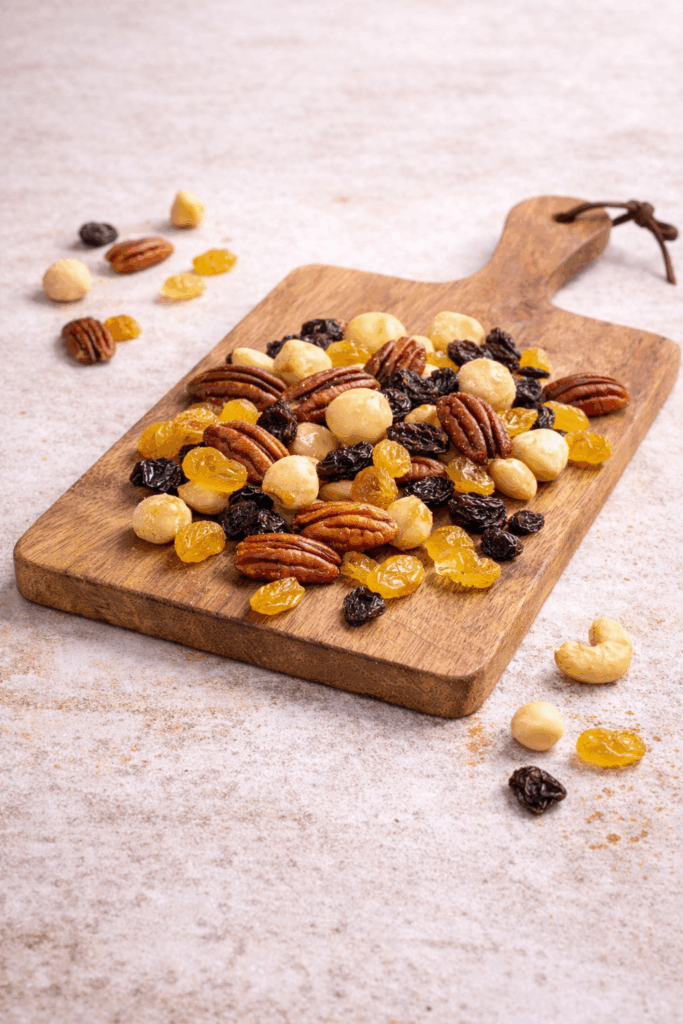
🏢 From Fruit Baskets to Experiences: The Evolution of Office Catering
In the past, the fruit basket was considered a symbol of employee-friendliness. Today, that is no longer enough.
Modern catering concepts are:
• Diverse (from healthy snacks to small moments of indulgence)
• Flexible (adapted to varying working hours)
• High-quality (quality over quantity)
The difference?
👉 It’s no longer just about the food—it’s about experiences.
A well-designed snack area can:
• to become a meeting point
• Foster spontaneous conversations
• Stimulate creativity
In this way, food becomes a social catalyst within the company.
🤝 Fostering Connection: Snacks as Social Glue
In times of remote work and hybrid teams, one thing is becoming increasingly difficult: genuine connection.
Snacks can step in right here.
Why?
• People tend to meet informally rather than by plan.
• Eating together brings people closer.
• Break rooms become hubs for communication.
A snack area is often the place where:
• New ideas emerge.
• Departments exchange information
• Relationships Grow
👉 Corporate culture isn’t created in the meeting room—but in the coffee kitchen.
💼 Employer Branding You Can Touch
Many companies speak of “appreciation” and “employee-centricity.” Yet employees do not believe what is said—they believe what they experience.
Free snacks send a strong signal:
• We invest in you.
• We care about your well-being.
• You are important to us.
Especially in the competition for skilled professionals, benefits like these can make all the difference.
For applicants are increasingly paying attention to:
• Work Environment
• Additional Services
• Corporate Culture
👉 An attractive catering concept is a visible competitive advantage.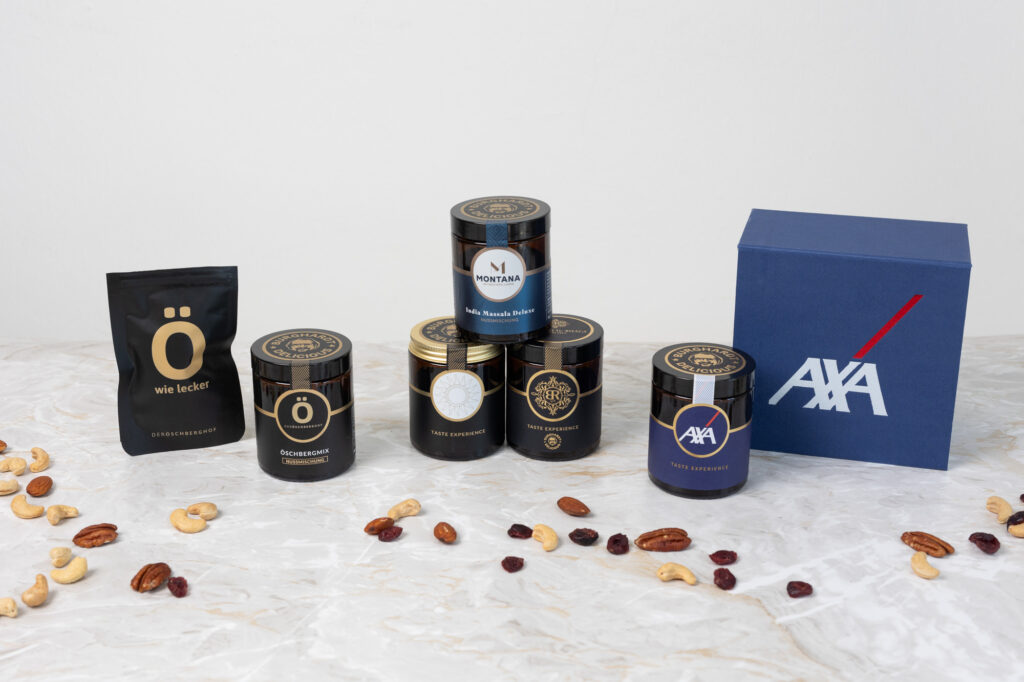
Small Measure, Big Impact: The Psychological Effect
Why do snacks have such a powerful effect?
The answer lies in psychology:
• Regular small benefits have a more lasting impact than infrequent large ones.
• Visible offers foster appreciation in everyday life.
• Rituals strengthen belonging.
An afternoon snack is more than just food—it is a moment of mindfulness.
And it is precisely these small moments that add up to a positive overall impression.
📉 The Hidden Costs of Poor Nutrition
Many companies cut back on snacks—without considering the consequences.
The consequences can be:
• Declining motivation
• Increase in sick reports
• Lower productivity
• Weaker employee retention
What appears to be a cost saving at first glance can prove expensive in the long run.
👉 So the better question is not: “How much do snacks cost?”
👉 Instead: “What does it cost not to offer any?”
🌱 Health as Part of Corporate Culture
Healthy employees are more productive, more satisfied, and less prone to illness. Nevertheless, nutrition is often neglected in the workplace context.
A modern snack concept can:
• Facilitate healthy decisions
• Raise awareness of nutrition
• influence long-term habits
What is important here is:
• Balance instead of deprivation
• Choice instead of regulations
• Enjoyment over Dogma
👉 Health is created not through rules, but through opportunities.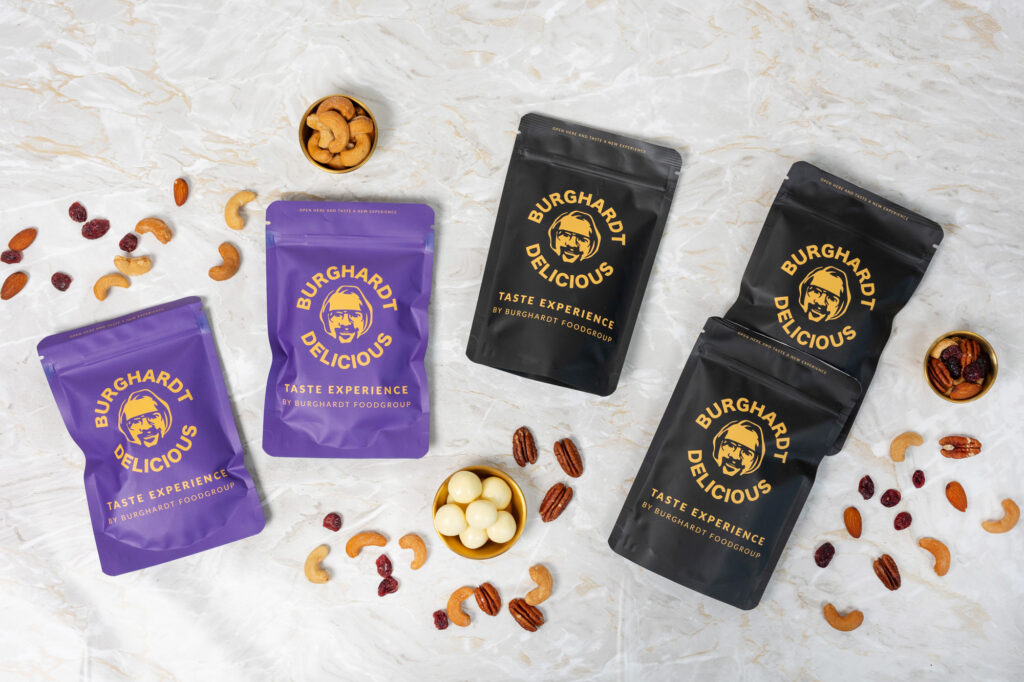
🔄 Hybrid Work Requires New Solutions
With the increase in working from home, a new challenge arises:
How do you create incentives to come into the office?
Snacks can be part of the answer.
For today, the office must offer more than just a workspace:
Encounter
• Exchange
Experience
An attractive catering offering can support exactly that.
👉 The office becomes a place where you want to be—not just where you have to be.
🎯 Strategically Incorporating Snacks into Corporate Culture
A successful snack concept does not come about by chance. It requires a clear strategy.
Important questions are:
• What do our employees really need?
• What values do we want to convey?
• How can we meaningfully integrate catering?
Successful companies rely on:
• Regular feedback
• Flexible offers
• Continuous development
👉 Catering is not a static offering—but a dynamic process.
Diversity Instead of a One-Size-Fits-All Solution
Every company is different—and its snack offerings should be, too.
Important Factors:
• Age structure
• Working Models
• Corporate Culture
A good concept offers:
• Healthy options
• Little moments of indulgence
• different tastes
👉 Diversity demonstrates appreciation for individual needs.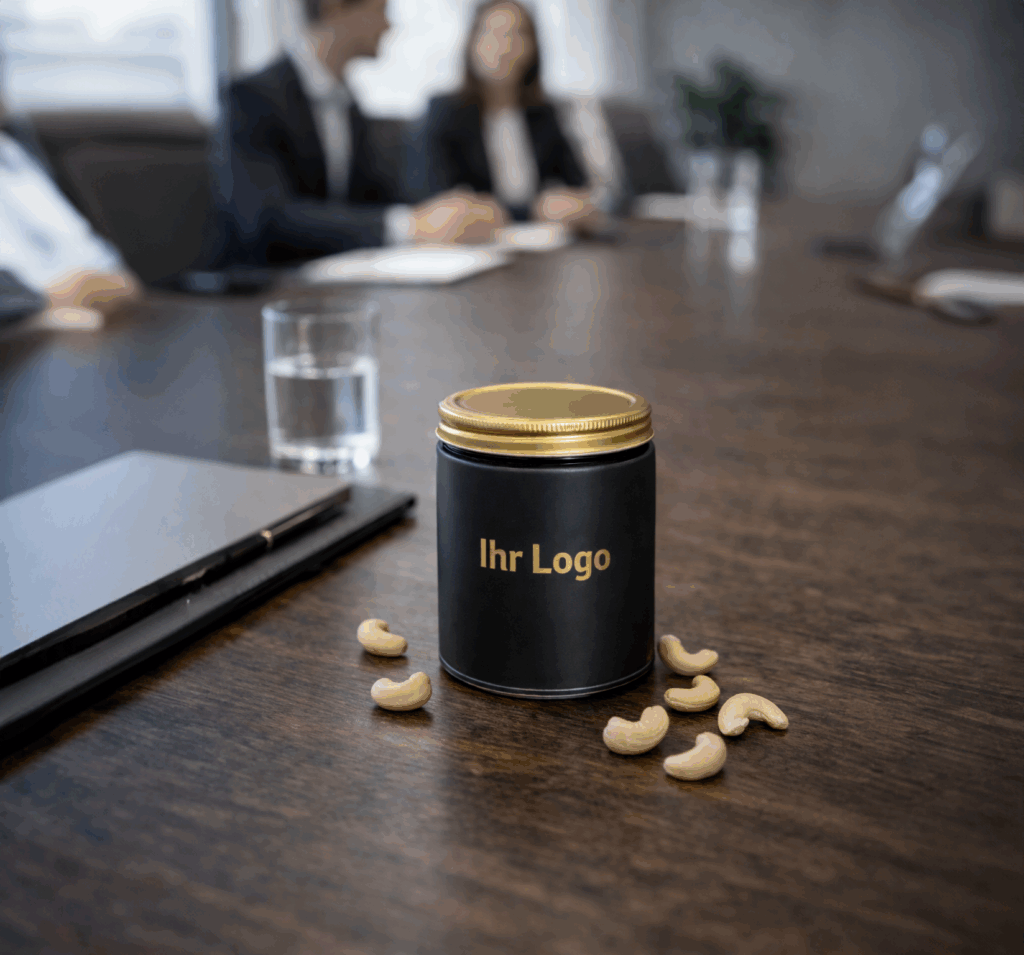
📊 Return on Investment: Is It Really Worth It?
The decisive question for many companies: Does it pay off?
The answer: Yes—if implemented correctly.
Positive effects are:
• Higher employee satisfaction
• Lower turnover
• Better employer rating
• Increased productivity
Even if not everything can be directly measured, studies and practical experience demonstrate:
👉 Investing in employees pays off.
👉 For those looking to strategically leverage their catering options, the new Office-Mixer from Burghardt Delicious offers a modern and high-quality solution for the office, meeting rooms, and reception areas. High-quality, reusable glass jars—customizable with your company logo and refillable at any time—combine culinary enjoyment, design, and corporate culture in a truly contemporary way.
Learn more:
https://shop.burghardt-delicious.com/apps/bundles/bundle/160476
🏁 Conclusion: Corporate Culture Starts Small
New Work is more than just a buzzword. It is about making work more human, meaningful, and attractive.
At first glance, snacks may seem like a small detail—but that is precisely where their strength lies.
They are:
• visible
• experiential
• effective
Companies that approach employee catering strategically create:
• Better working conditions
• Stronger teams
• lasting success