


Whether it’s a logo-printed pen, a high-quality gift box, or a personalized calendar, promotional gifts have become an integral part of many companies’ marketing efforts. And for good reason. When used correctly, they have an astonishing impact on customer loyalty, brand perception, and purchase motivation. But why is that? What psychological mechanisms are behind this? And how can you use promotional gifts effectively and strategically? In this article, you’ll learn why promotional gifts are more than just nice giveaways—and how you can use them specifically for your marketing.
Psychological basics: Why giving works
The impact of promotional gifts cannot be explained solely by their material value. Rather, deep-rooted psychological principles come into play:
Reciprocity: The power of giving back
One of the best-known psychological effects in marketing is the principle of reciprocity. It describes the social need to return a gift received.
Example: A customer receives a small gift from the company—be it a high-quality nut mix, a pocket calendar, or a discount voucher. Even if nothing in return is requested, the recipient feels the need to return the favor. This can result in a positive review, a recommendation, or a repeat order.

Perceived appreciation
A personalized promotional gift signals to the customer: “You are important to us.” Especially in times of digital anonymity, this human touch becomes increasingly important. Appreciation creates emotional bonds – and customers become a community.
The principle of anchoring
Psychological studies show that people evaluate subsequent experiences based on their initial impression. Those who “pick up” customers with a positive experience (e.g., a lovingly wrapped gift) establish a favorable attitude toward the brand.
Promotional gifts as a marketing tool: More than just giveaways
It’s no longer about cheap, mass-produced goods. High-quality, personalized promotional gifts are a strategic tool in modern marketing.
Brand presence in everyday life
A well-chosen promotional gift remains visible in everyday life – whether on the desk, in the kitchen, or on the go. This permanently anchors the brand in people’s minds.
Target group orientation
The better the promotional gift fits the target audience, the greater its impact. For example, connoisseurs will appreciate high-quality dried fruit or a small wine gift basket. Tech-savvy consumers, on the other hand, appreciate practical gadgets with added benefits.
Strengthening brand values
A high-quality gift (e.g., a glass jar instead of plastic) supports an quality-conscious brand positioning. Luxury giveaways reinforce a premium image. Thus, the gift becomes a vehicle for conveying your brand message. 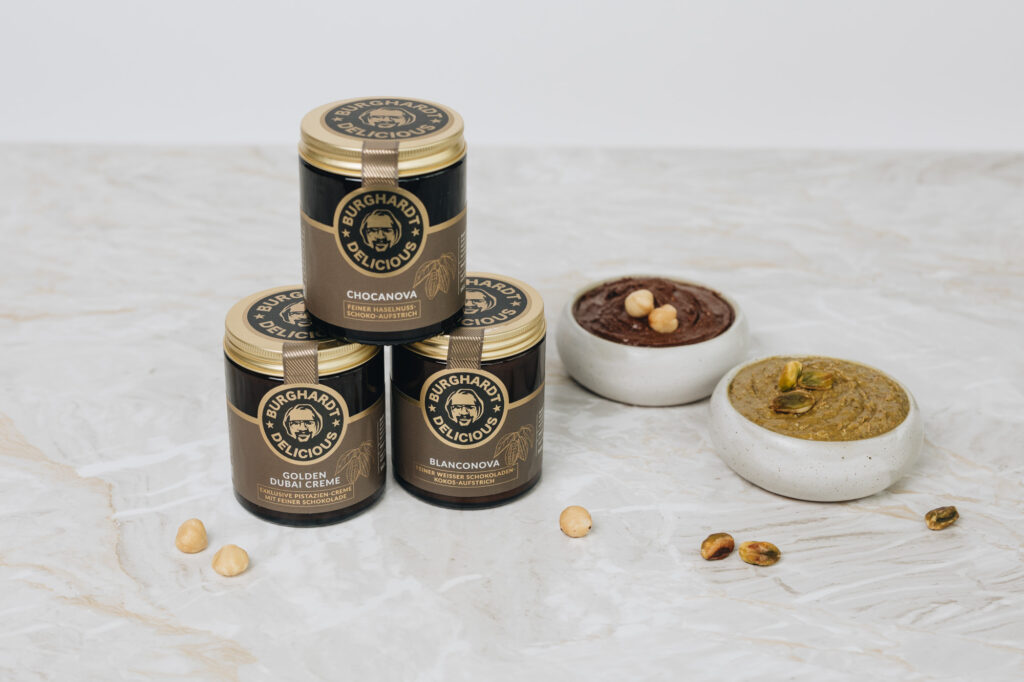
Customer motivation through promotional gifts
Promotional gifts can be used to motivate customers – both in the B2C and B2B sectors.
Activation and reactivation
Whether it is initial contact or reactivation of existing customers: a promotional gift can provide just the impetus to start or revive a (new) business relationship.
Rewarding loyalty
Regular customers deserve special attention. A high-quality gift as a thank you for their loyalty signals: “We see and appreciate you.” This carefully increases customer loyalty.
Incentives for referrals
Referral marketing works better when it’s incentivized. “Recommend us and receive a surprise” is not only friendly but also effective.
The role of emotions: brand loyalty on the emotional level
Marketing isn’t just rational. Scientifically proven, purchasing decisions are largely based on emotions. Promotional gifts address precisely this level.

Typical emotions that are activated:
• Joy (e.g. about an unexpected package)
• Curiosity (e.g. about creative packaging)
• Trust (e.g. through continuous attention)
• Gratitude (e.g. for a personalized anniversary greeting)
The result: The customer associates positive feelings with the brand – and this has a lasting influence on decision-making behavior.
Avoid mistakes: What you should pay attention to when giving promotional gifts
Not every promotional gift has a positive impact. Relevance, quality, and timing are crucial.
Common mistakes:
• Cheap promotional items with a short lifespan
• Inappropriate products without reference to the target group
• Lack of individualization
• Unconsidered mass mailings without context
Better:
• Less, but higher quality
• Personalization where possible
• Reference to the occasion or relationship
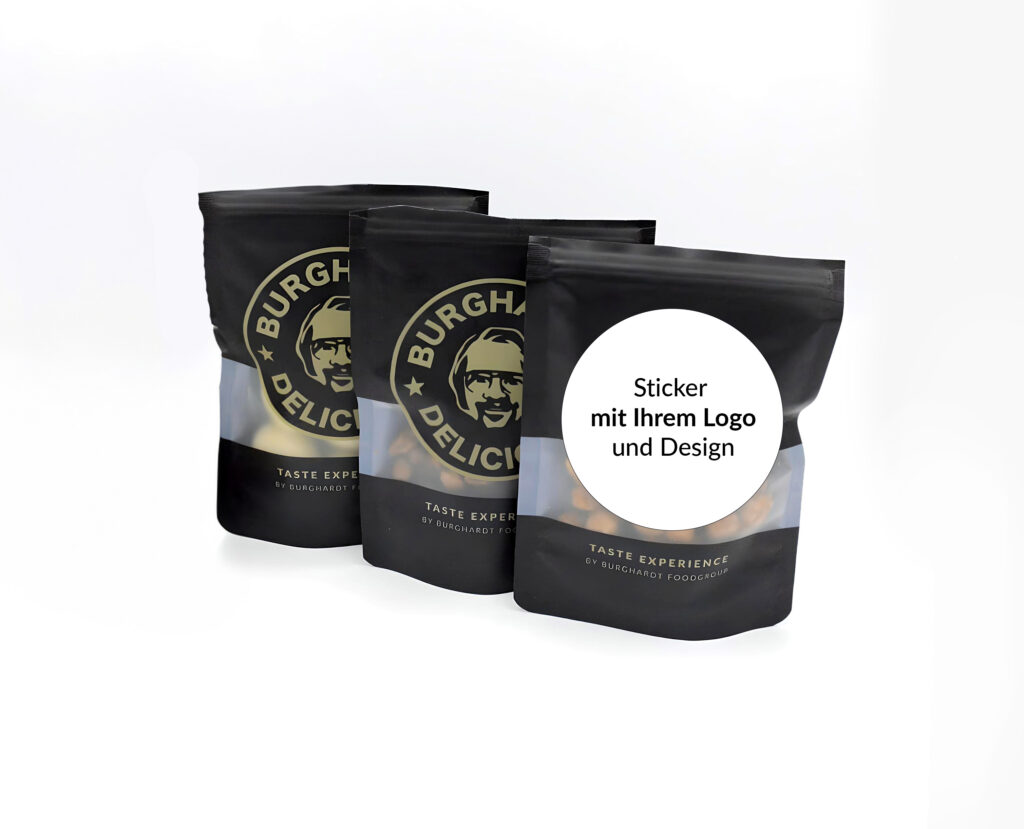
Using promotional gifts strategically: A guide
Step 1: Define your goal
• Acquiring new customers?
• Customer loyalty?
• Employee appreciation?
Step 2: Analyze your target group
• What interests or excites them?
• What is their reality?
Step 3: Define the message
• Which values should be conveyed?
• What should stick
Step 4: Choose the right product
• Functional or emotional?
• Enjoyable or useful?
Step 5: Packaging and shipping
• Value begins when unpacking
• A personal greeting makes the difference
Step 6: Follow up and use feedback
• How was the gift perceived?
• Are there any reactions or new contacts?
Conclusion: Promotional gifts are not a minor matter, but part of the brand strategy
Promotional gifts are more than just nice gimmicks. They activate psychological effects, strengthen customer relationships, convey brand values, and can motivate in a targeted manner. In a world full of digital messages and overloaded advertising channels, they create physical, emotional, and memorable moments. Those who use them wisely are investing not in giveaways but in relationships, trust, and brand loyalty.